
Bumblebees not flying in the greenhouse? A checklist
Bumblebees that stay in the hive pollinate nothing. A checklist of the common causes, from heat and light to crop protection, CO and the age of the colony.
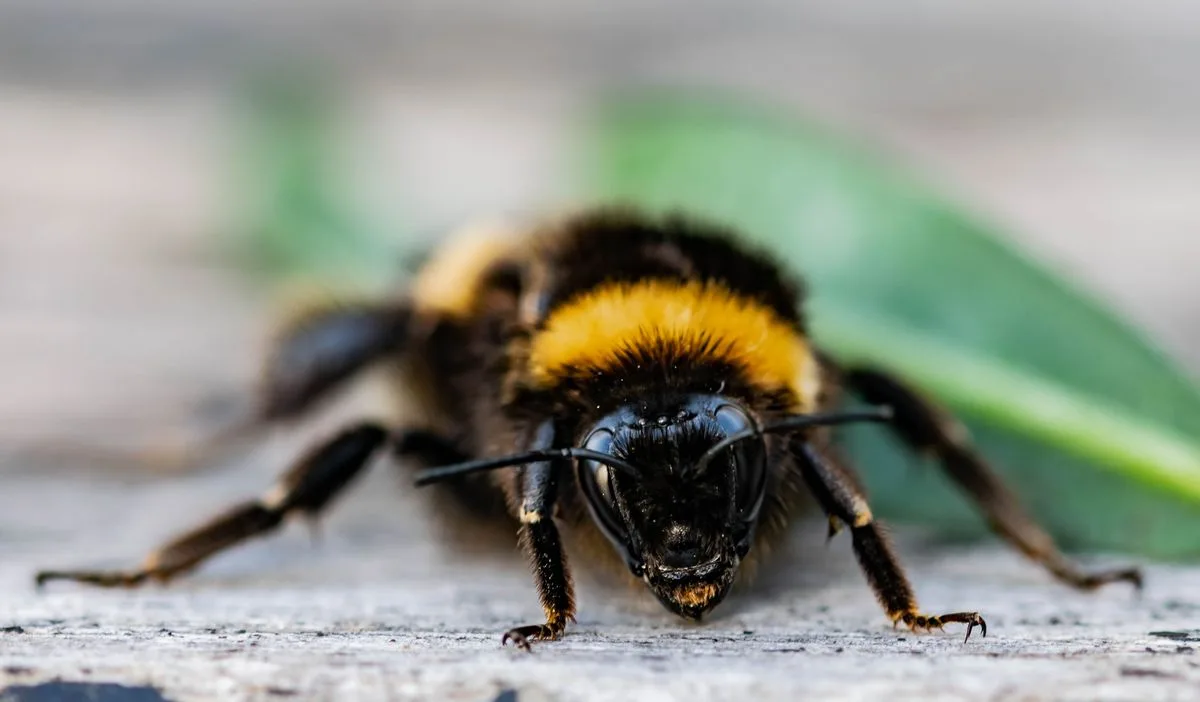
You walk through the crop and see hardly any bumblebees. Are they not flying, or are they just somewhere else? And if they are not flying, why? Below are the most common causes, in the order in which you can check them most quickly.
First: are they really not flying?
On a quiet day, a few bumblebees in a large compartment are easy to miss. Look at the hive entrance for a few minutes: how many bumblebees fly in and out? Compare that with another hive, or with the same hive on an earlier day. A colony with almost no traffic at the entrance has a problem. A colony with normal traffic is flying, but perhaps not where you are looking.
The checklist
- Is the entrance open? After a spray, the hive may still be closed, or the flap is stuck. A closed or blocked entrance is the quickest thing to rule out.
- Is it too hot? Above about 30 °C, bumblebees fly less and many workers stay home to cool the colony. A hive in full sun or near a heating pipe gets hotter still. See heat and humidity in the greenhouse.
- Is it too dark, or is the light wrong? Bumblebees navigate partly by ultraviolet light. Glass, film or screens that block UV, and artificial lighting without UV, make orientation harder. In short winter days they also fly less. See pollination under LED lighting and pollination in winter.
- Was there a crop protection treatment? Some products are harmful to bumblebees or repel them, and residues can affect the colony for a while. Check the waiting times and keep hives closed or away when needed. See crop protection and bee or bumblebee colonies.
- Is there CO in the air? CO2 dosing with flue gas from a boiler that does not burn cleanly can release carbon monoxide. That harms bumblebees, and people too.
- Is the colony old or weak? A commercial colony lasts a limited number of weeks. Toward the end there are fewer workers and less traffic. See is my bumblebee hive still active?
- Is the sugar solution empty? Most commercial hives come with a sugar solution as food. When it runs out early, the colony weakens.
- Are there enough flowers? With few open flowers and many colonies, bumblebees have little to do. Check the number of hives against the crop stage. See how many bumblebee hives per hectare.
- Is the hive in the right place? Hives that were moved, stand too close together, or face a dark or windy spot can lose foragers.
Flying, but not pollinating?
Sometimes the colony is busy at the entrance, but fruit set still lags. Then the bumblebees may be flying elsewhere, for example to a neighbouring compartment or outside, or they may visit some rows much more than others. Bite marks on the flowers tell you whether they reach the crop. See how to check tomato pollination with bite marks.
Seeing it before you miss it
A colony that stops flying is easy to miss for days, especially in a large greenhouse. Hive monitoring counts the flights in and out of every hive, every hour. HiveWatcher compares that with what you would expect for the time of day and the conditions, and sends an alert when a colony flies much less than normal. Then you check the hive the same day, not after fruit set has already suffered.