
How many bumblebee hives per hectare, and where to place them
What decides how many bumblebee hives you need per hectare, how to place bee or bumblebee hives in the greenhouse, and how to spot gaps.
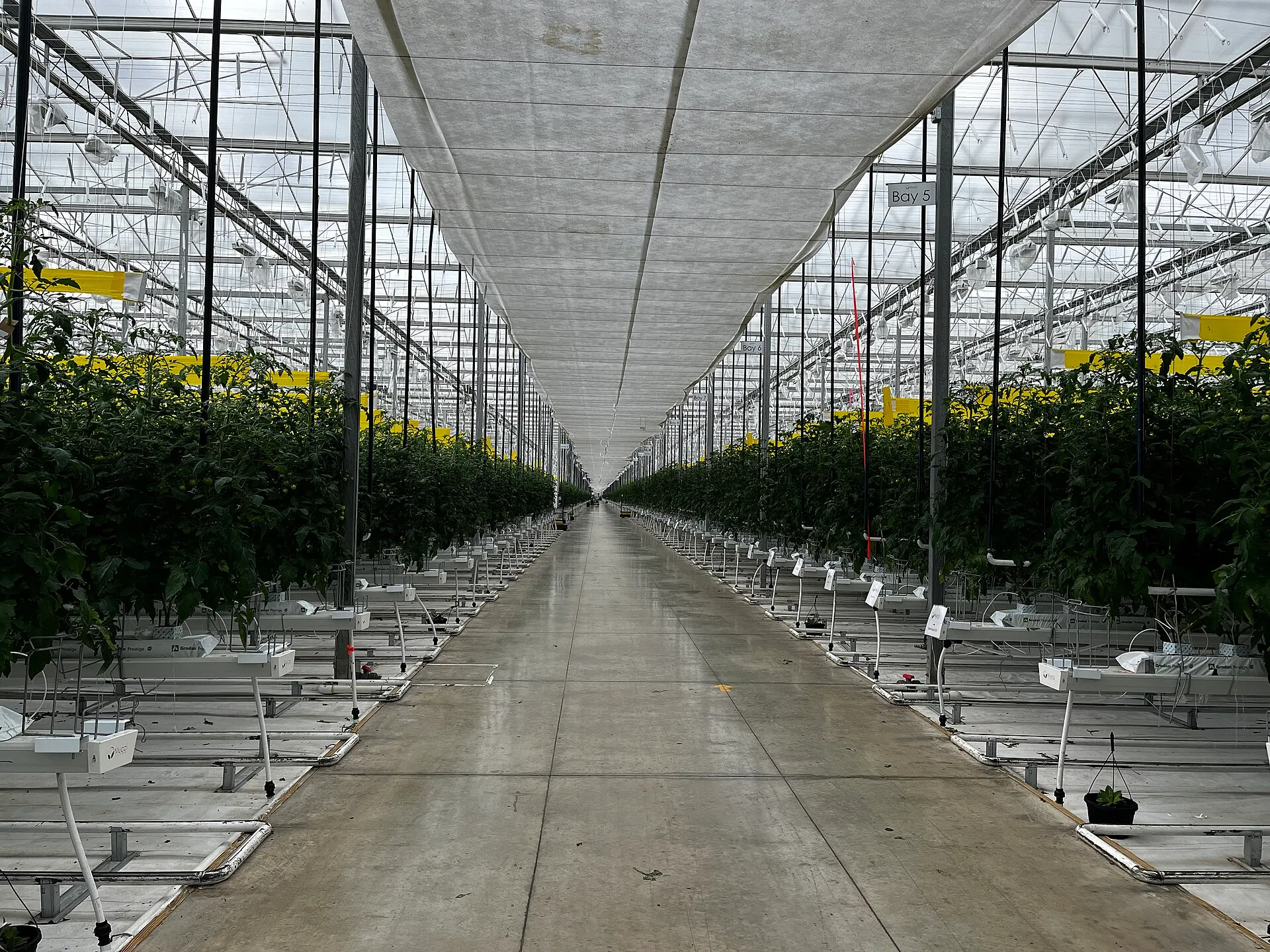
It is one of the most common questions in greenhouse pollination: how many hives do I need per hectare? The honest answer is that there is no single number. It depends on the crop, the season, the type of hive and the conditions in your greenhouse. Your supplier will give a recommendation for your situation, and that is the right starting point.
What is useful is to understand the factors behind that recommendation, so you can judge whether it is working.
What decides how many hives you need
- Crop. Different crops need different numbers of visits. Tomatoes, for example, rely on buzz pollination by bumblebees, while other crops may use honeybees or a mix.
- Number of flowers. The more open flowers, the more work for the bees. Flower numbers change through the season.
- Season and light. In darker periods bees tend to fly less, and in hot periods activity can drop during the warmest hours.
- Colony type and age. Hives differ in size and strength, and colonies weaken as they age. Staggered replacement keeps a mix of younger and older colonies.
- Greenhouse layout. Path widths, row length, screens and the shape of the greenhouse affect how far bees fly.
- Too many is also a problem. Overvisiting can damage flowers. More hives is not automatically better.
Where to place the hives
Placement often matters as much as the number. Some general points:
- Spread them out. Hives clustered in one place tend to leave distant parts of the greenhouse with fewer visits. Distribute them evenly over the area.
- Avoid heat. Keep hives out of direct sun and away from heating pipes or lamps that warm them up. Many growers use a shade or a stand.
- Keep them stable and dry. Avoid places with dripping condensation or standing water.
- Mind the entrance. A clear flight path in front of the entrance helps. Do not place hives where bees fly straight into a wall, screen or obstacle.
- Think about work and crop protection. Hives should not be in the way of trolleys or spraying, and need to be easy to close or move when treatments require it.
- Follow supplier guidance on height and orientation for your hive type.
Checking whether it works
Once hives are in place, the question becomes: are all parts of the greenhouse getting enough visits? Growers check this by looking at bite marks in tomatoes or by watching flowers, in several spots. This works, but it is a sample, and differences between sections are easy to miss. A corner near the gable, a section under different screens or a row near a door can lag behind without anyone noticing until fruit set shows it.
How measuring helps
HiveWatcher shows pollination per company, site, greenhouse and section, on a map and in a tree view. The HiveNode at the hive shows how active each hive is, and BeeNodes in the crop show where flowers are actually visited. If one section falls behind, you can see it and move or add a hive there, rather than adding hives everywhere.
BeeSensing is currently running pilots with growers. Get in touch if you would like to take part.
Read more about pollination in tomatoes.
Also read: bees for pollination.
Read more about hive monitoring with HiveWatcher.