
Is my bumblebee hive still active? When to replace a hive
How to tell if a bumblebee hive is still working, why bumblebees stop flying in the greenhouse, and when it is time to replace a colony.
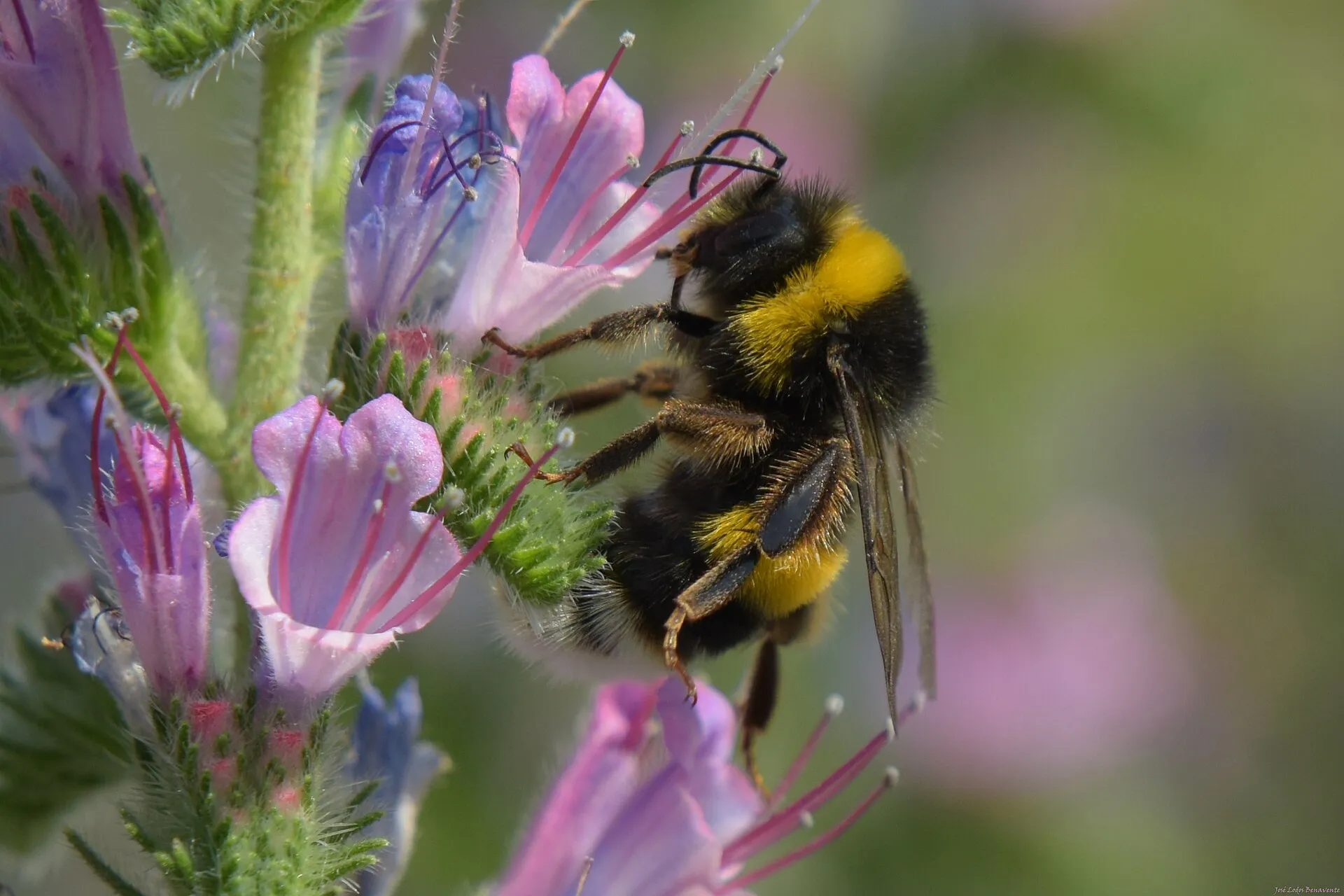
Every grower who works with bee or bumblebee colonies knows the moment. You walk past a hive and it seems quiet. Is the colony still doing its job, or has it run out of steam? The answer matters, because a weak hive means fewer flower visits, and fewer visits can mean poorer fruit set a few weeks later.
Colonies age
A bumblebee colony is not permanent. It grows, peaks and then declines. Towards the end, the queen stops laying, fewer new workers emerge and the remaining workers grow old. Flight activity drops, and with it the number of flowers that get visited.
How long a colony stays productive depends on the crop, the season, the climate in the greenhouse and the type of hive. Suppliers give guidance on this, and it is sensible to follow it. But a calendar alone does not tell you how a particular hive is doing. Two hives placed on the same day can behave very differently.
Signs that a hive is still active
There are a few things you can check by hand:
- Traffic at the entrance. Stand at the hive for a few minutes at a time when the bees should be flying. Do you see workers going in and out regularly?
- Flower visits. In tomatoes, look for the brown bite marks on the anther cones of open flowers. Fresh marks on recently opened flowers mean bumblebees have been there.
- Sound. A healthy colony hums. A very quiet hive, or one that sounds unusual, is worth a closer look.
- Food. Most hives have a sugar solution reservoir. If it hardly goes down, activity may be low.
- The colony itself. Supplier instructions often explain how to judge brood and the number of workers. Follow them, and be careful not to disturb the hive more than needed.
None of these checks is perfect. They are snapshots, taken at one moment, in one place.
Why bumblebees stop flying in the greenhouse
A quiet hive is not always an old hive. Bumblebees can stop flying, or fly less, for other reasons:
- Heat. High temperatures at the hive or in the crop reduce flight activity. A hive in direct sun can overheat.
- Humidity and condensation. Very humid conditions affect both the bees and the flowers.
- Screens and light. Closed screens, low light levels and changes in lighting can change when and how much bees fly.
- Crop protection. Some treatments require hives to be closed or moved. Always check compatibility with your supplier.
- Too few flowers, or too many hives. If there is little to collect, bees fly less. Too many visits can also damage flowers.
So before replacing a hive, it is worth asking whether the colony is worn out or whether the conditions are holding it back.
When to replace a hive
Replace a hive when it is clearly declining and conditions are not the cause: low traffic over several days, few fresh bite marks and a colony that looks thin. Many growers introduce new hives in a staggered way, so there is always a younger colony working while an older one winds down. Your supplier can advise on timing for your crop.
How measuring helps
The difficulty is that hand checks are occasional, while colonies change every day. HiveWatcher counts flights in and out at the hive, listens to the colony and records light and climate at the entrance. The BeeNode in the crop sees actual landings on flowers. Together they show whether a hive is slowing down, whether it is the colony or the conditions, and when activity drops below what you expect. You get an alert by email or text message rather than finding out from fruit set.
BeeSensing is currently running pilots with growers. Get in touch if you would like to take part.
Read more about pollination in tomatoes.
Read more about bumblebee hive monitoring with HiveWatcher.