
Bees for pollination: choosing and managing pollinators for your crop
Which bees and bumblebees are used for pollination in greenhouses and tunnels, where colonies come from, and how to keep them working all season.
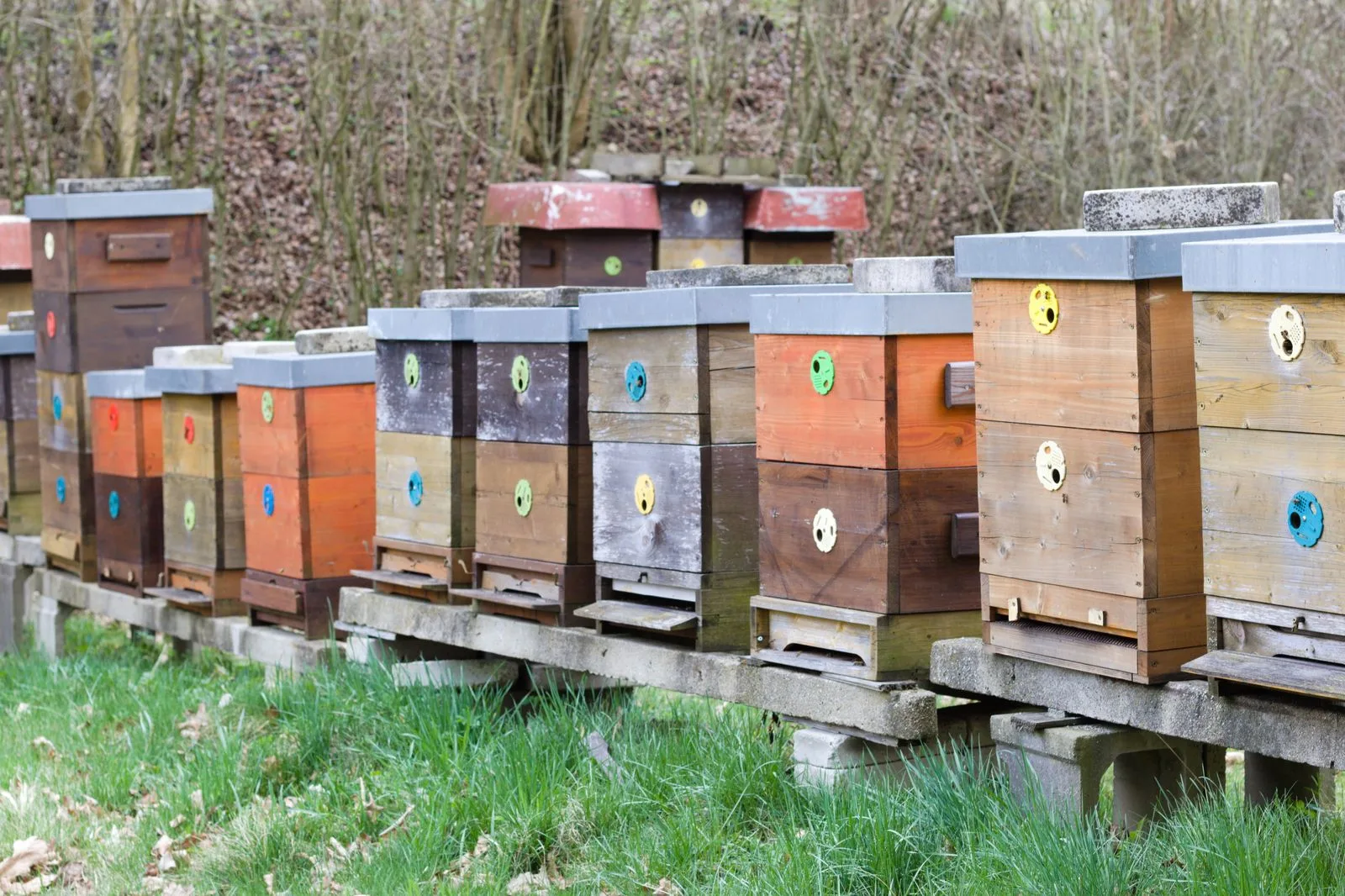
Many greenhouse and tunnel crops depend on insects to set fruit. Outdoors, wild bees and other insects do much of that work. Under cover, the grower brings the pollinators in. Choosing the right bees for pollination, and keeping them working, has a direct effect on yield and fruit quality.
Which crops need pollinators
- Tomato, aubergine and sweet pepper have flowers that release their pollen best when shaken. Bumblebees do this by vibrating on the flower. See how tomatoes are pollinated in the greenhouse.
- Strawberries, raspberries and blueberries give larger and better-shaped fruit with good insect pollination. See strawberry pollination.
- Melon, courgette and other cucurbits often have separate male and female flowers, so pollen has to be carried from one to the other.
The main pollinators
- Bumblebees. The workhorse of greenhouse pollination. They fly at lower temperatures and in less light than honeybees, they buzz-pollinate, and they stay close to the crop. Colonies come from commercial breeders and arrive as ready-to-use hives.
- Honeybees. Large colonies with many foragers, mostly used in soft fruit, in tunnels and in seed crops. They are usually rented from beekeepers. They do not buzz-pollinate and may fly out of the tunnel to other flowers.
- Solitary bees. Mason bees and similar species are used in fruit and some protected crops, often as an addition.
- Flies. In some crops, such as strawberries and seed production, reared flies are used as extra pollinators.
The choice depends on the crop, the type of cover, the season and the climate, and many growers combine more than one. Read more in honeybees or bumblebees in the greenhouse?
Where colonies come from
Bumblebee colonies are reared all year round by specialist producers and delivered as boxes with a set number of workers. A colony has a limited working life: it grows, peaks and declines, so it has to be replaced on a schedule. Honeybee hives are mostly rented from beekeepers for the flowering period and taken away afterwards.
Ask your supplier which colony type suits your crop, how many colonies per hectare they advise and how long a colony stays productive in your conditions. How many bumblebee hives per hectare explains what determines the number.
Keeping bees working
Bringing in bees is half the job. They also need to fly:
- Placement. Hives out of direct sun, spread evenly, with clear flight paths.
- Climate. Very high or low temperatures, high humidity and long periods with closed screens reduce flight.
- Light. Changes in lighting, and films or covers that block UV light, can affect how bees find their way. See pollination under LED lighting.
- Crop protection. Check every treatment for compatibility with pollinators and follow the advice on closing or moving hives.
- Colony age. An old colony flies less. See is my bumblebee hive still active?
Knowing whether they work
Most growers judge pollination by walking the crop: traffic at the hive, bite marks on tomato flowers, fruit shape weeks later. That works, but it is a sample and it comes late. HiveWatcher measures it continuously. The HiveNode tracks flight activity at every hive, and the BeeNode counts visits to flowers in the crop. You see per section whether your bees are doing their job, and you get an alert when activity drops.
BeeSensing is running pilots with growers. Read more about HiveWatcher.
Read more about greenhouse pollination monitoring with HiveWatcher.