
News ·
What a HiveWatcher pilot looks like
From December, the first growers measure pollination in their own greenhouse. On our website you can now read what a pilot includes, how it runs, and request one.
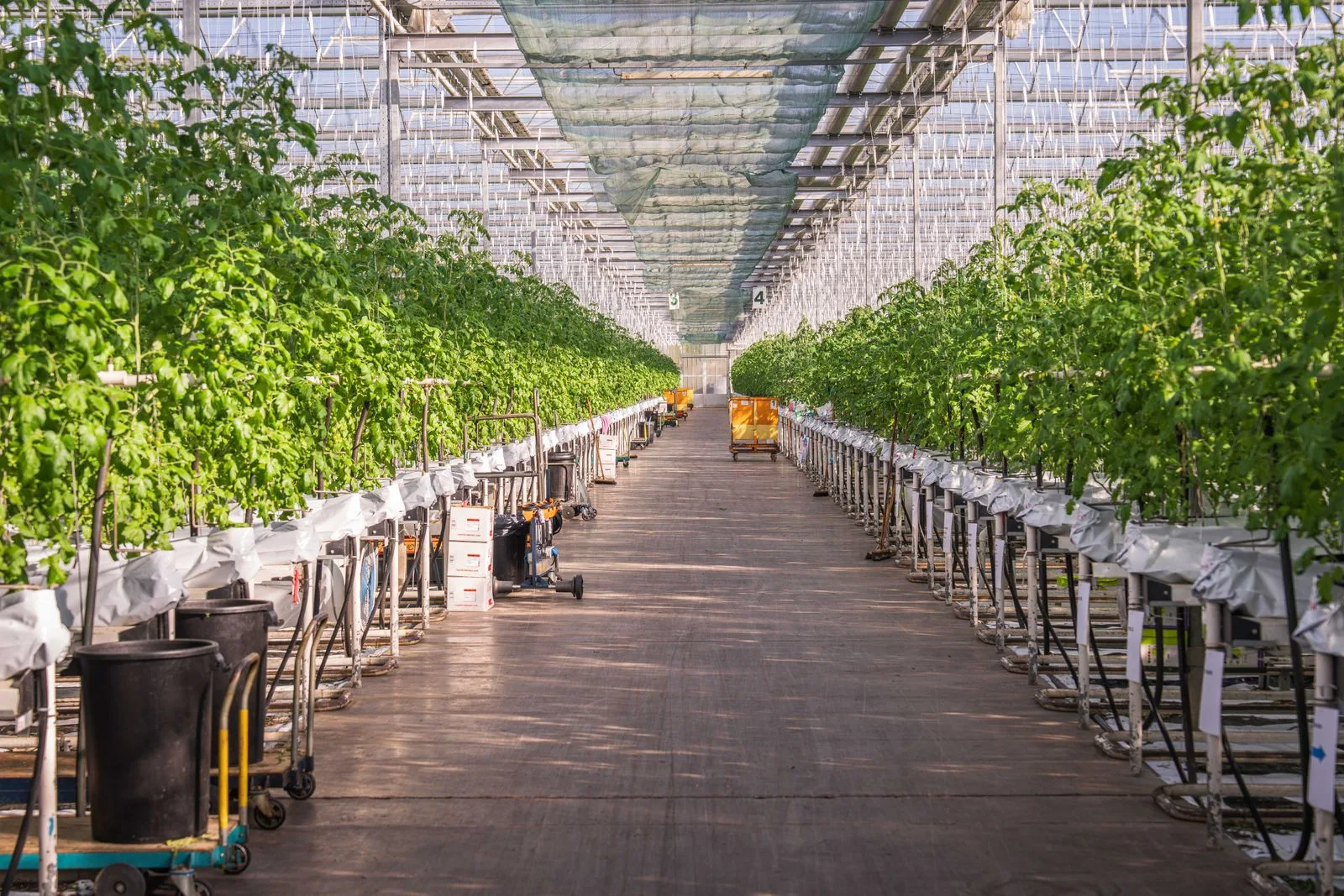
From December, the first growers will measure pollination in their own greenhouse with HiveWatcher. Since last week, our website explains exactly what such a pilot looks like, with new pages for strawberries and sweet pepper and a form to request a pilot.
What you get
A pilot covers one greenhouse section or one tunnel. We install about four HiveNodes at the bee or bumblebee hives, two to three BeeNodes in the crop at flower height and one central receiver. The HiveNode works with hives from any supplier. In the HiveWatcher portal you follow flights per hive and flower visits per section every day, next to temperature and light, and you get an email when activity drops. Your data stays yours and is stored in Europe.
How it runs
After your request we get back to you within two working days. In an intake call we choose the section that fits best. Installation takes half a day on site, and we take your hygiene rules into account. After six to eight weeks we evaluate together for the first time, and at the end of the pilot you decide whether to continue.
Which crops
Tomatoes, strawberries and other soft fruit, sweet pepper and other fruiting vegetables: every crop under glass or in tunnels that is pollinated by bees or bumblebees.
Would you like to take part this season? Request a pilot on our website.